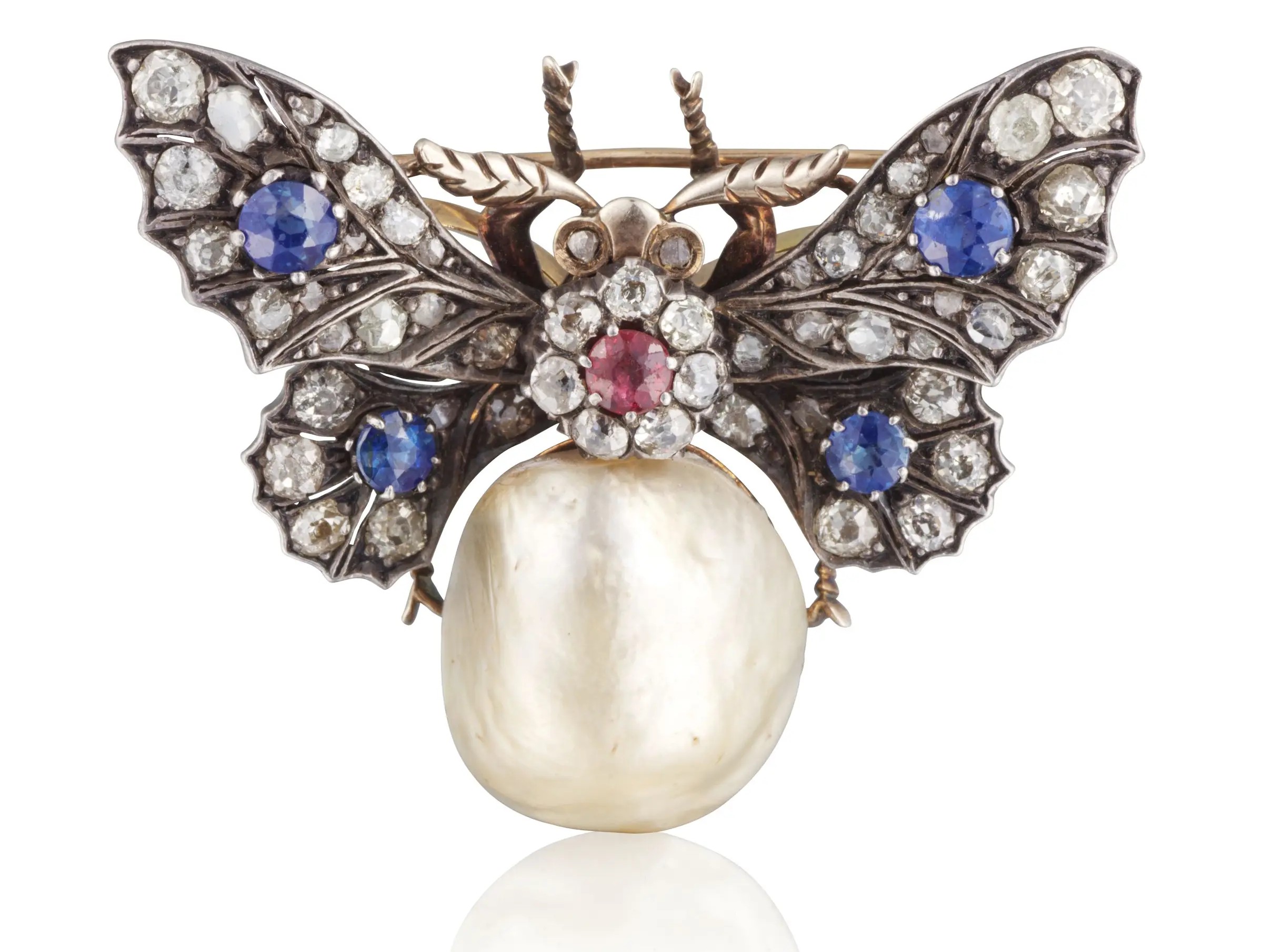
Pearls have fascinated people for thousands of years, prized for their natural beauty and elegance. Unlike gemstones that are mined from the earth, pearls are created by living mollusks such as oysters and mussels.
Where Do Pearls Come From?
A pearl forms when an oyster or mussel coats an irritant inside its shell with layers of nacre—the same lustrous material that lines the shell's interior. Over time, these layers build up to create a pearl.
Today, most pearls on the market are cultured pearls, meaning humans carefully introduce a nucleus into the mollusk to encourage pearl formation. Natural pearls, by contrast, form entirely without human intervention and are much rarer and more valuable.
Natural vs. Cultured vs. Imitation Pearls
Natural Pearls
- Form naturally in the wild
- Extremely rare
- Often command significant premiums
Cultured Pearls
- Grown with human assistance
- Real pearls with genuine nacre
- The most common type sold today
Imitation (Fake) Pearls
- Made from glass, plastic, or shell materials
- Designed to look like pearls but contain no nacre
- Generally much less valuable
How Can You Tell If a Pearl Is Real?
Professional gemologists use advanced testing methods, including:
- X-ray examination: Reveals the internal structure and can distinguish natural, cultured, and imitation pearls.
- Microscopic analysis: Examines surface characteristics and nacre growth patterns.
- Spectroscopic testing: Identifies materials and treatments.
At home, there are a few informal tests people often try:
- The Tooth Test: Gently rub a pearl against the edge of your front teeth. Real pearls usually feel slightly gritty or sandy due to the layered nacre. Fake pearls often feel smooth and slippery.
- Surface Inspection: Real pearls typically have minor imperfections and subtle variations. Perfectly identical pearls may indicate imitation materials.
- Weight and Temperature: Glass or plastic imitation pearls may feel unusually light or warm compared to genuine pearls.
Keep in mind that these simple tests are not definitive and should never replace professional evaluation.
The Main Types of Pearls
- Akoya Pearls: Known for their classic round shape and mirror-like luster. Popular in traditional pearl necklaces.
- Freshwater Pearls: Grown primarily in freshwater mussels. Available in a wide variety of shapes, sizes, and colors.
- South Sea Pearls: Among the largest cultured pearls, prized for their soft satin luster and white, silver, or golden hues.
- Tahitian Pearls: Often called "black pearls," these stunning pearls display colors ranging from dark gray and green to peacock overtones.
Why Pearl Identification Matters
Whether you've inherited a strand of pearls, discovered a vintage brooch, or are planning your estate, understanding what you own is important. Natural pearls can be exceptionally valuable, while cultured and imitation pearls vary widely in quality and worth.